Success Projects

Our solutions use artificial intelligence to automate complex processes and increase efficiency. Intelligent algorithms analyze, learn and adapt to provide better results with less effort.

Security is at the heart of everything we do. Our systems guarantee safe operation for both people and the environment – thanks to advanced sensors, predictive analysis and automatic protection.

We develop technologies so that everyone can use them without much effort. From a quick installation to an intuitive interface and 24/7 service – it's all designed to save you time and worries.

In addition, using online platforms, investors and their engineers both accumulate an array of data for further training and improving the effectiveness of their individual remote solutions, as well as detailed information about the development of machine processing.Naturally, this performance data is also valuable in terms of training other robots, as well as for the development of robotics in general.
Scanners can be divided into two main categories - industrial and non-industrial robots.Industrial applications are mainly used in industry, logistics, agriculture and animal husbandry.Non-branded robotic solutions have been applied in the fields of security, medicine, healthcare, and space technology.As an example, the Pepper humanoid robot and cleaning robots were included in the category of non-industrial robots.
With the development of the industrial enterprise in the 20th century, the need for automation is growing, industrial robots are beginning to attract more and more attention as a solution to overcome the labor shortage and the desire of investors for rapidly growing labor productivity.Naturally, being multifunctional and flexible, robots offer the advantage that they can be easily installed in production sites where deploying specialized machines is not possible or where general updating of production lines is difficult or unprofitable.
In addition, by collaborating with a specialized System integrator (SI) in the implementation of robotic systems, investors can confidently go through all the stages-from planning, budgeting, Heu, testing, installation, personnel training and maintenance over the years, with confidence.
In 2021. One of the largest manufacturers in the world has launched a platform that allows industrialists to easily find compatible peripherals to create the desired system. Implementing a robot requires connecting to peripheral equipment, such as grippers, a wide range of sensors, and machine vision. This platform already allows you to check and certify any complete solution in advance, even before the investment itself. This leads to a strong reduction in the cost of checking the set of equipment required for the overall deployment.
Success Projects
Expert Team
Satisfied Clients
Victory Awards
The first industrial robot in the world was created and presented in the United States in 1962. The idea of "a robot that can flexibly respond to automation, through learning and reproduction" is presented by American engineer George Charles Dewal Jr. Joseph Frederick Engelberger is an entrepreneur and man who will become known as the "father of robotics", and he managed to develop the first industrial robot, called "Unimate" - "colleague with universal abilities".
The first country in the world to embrace and become a powerful trend in robotics and robotization is Japan. In the second half of the 20th century, the development of industrial robots for Japanese industries accelerated, especially in the automotive industry.This is also a continuation of the segment in which the capabilities of Japanese manufacturers, who have achieved a high degree of mastery in the field of electrical equipment and precision machines, reach their peak.Japan has risen to become the world's largest robotics power.
During the motorization trend in Japan, the automotive industry had particularly large needs.For the first time, the welding process, which is perceived as heavy, dirty and dangerous work, was robotized completely.
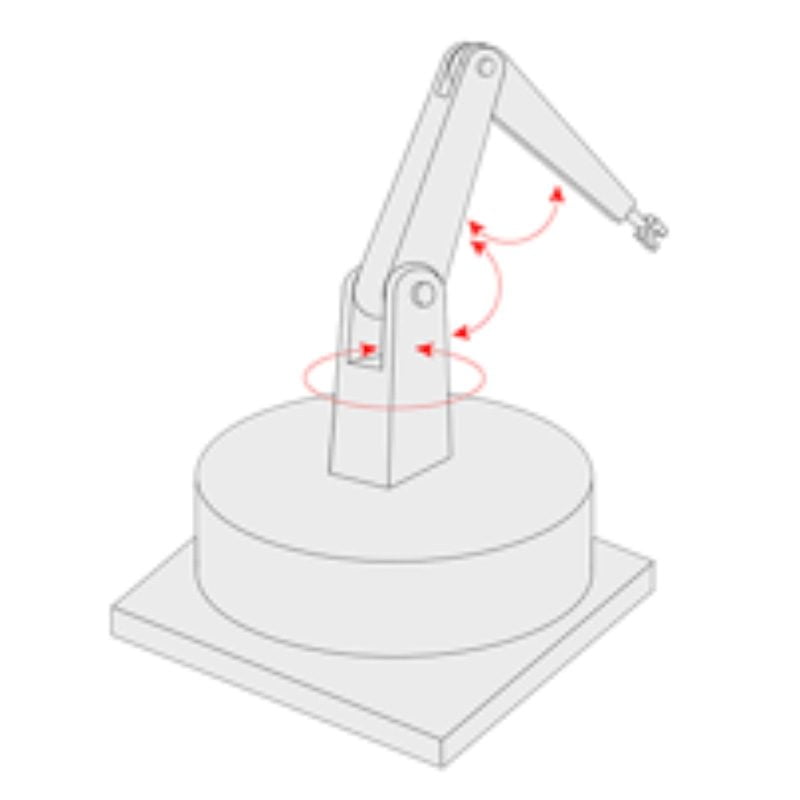
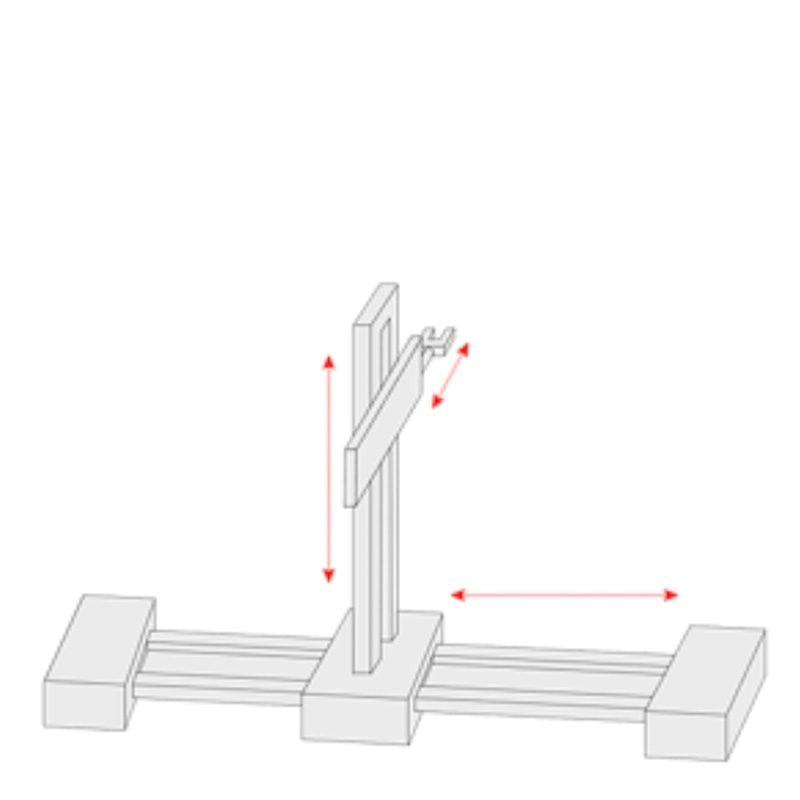
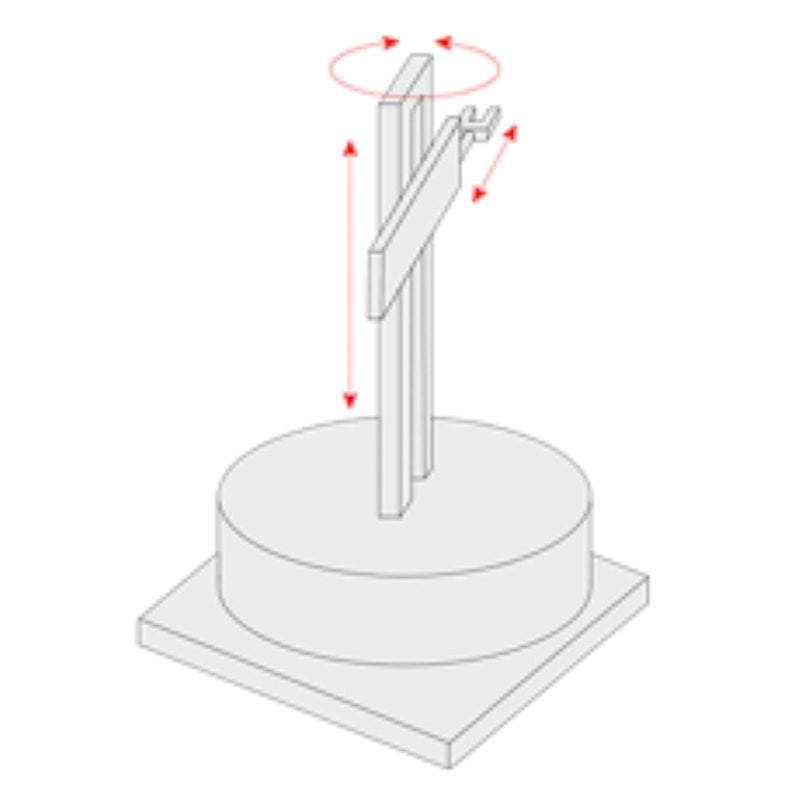
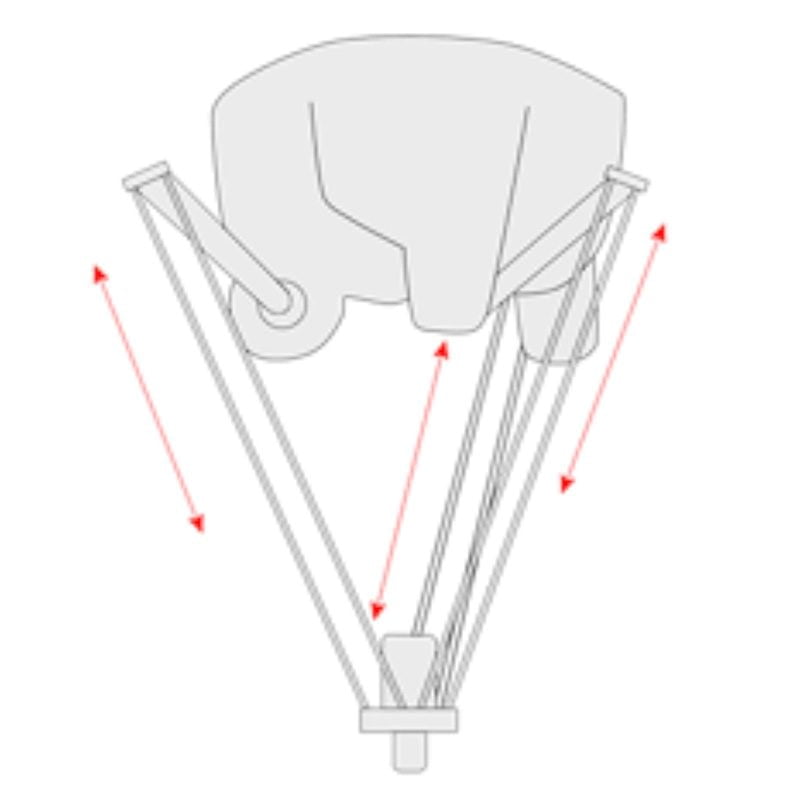
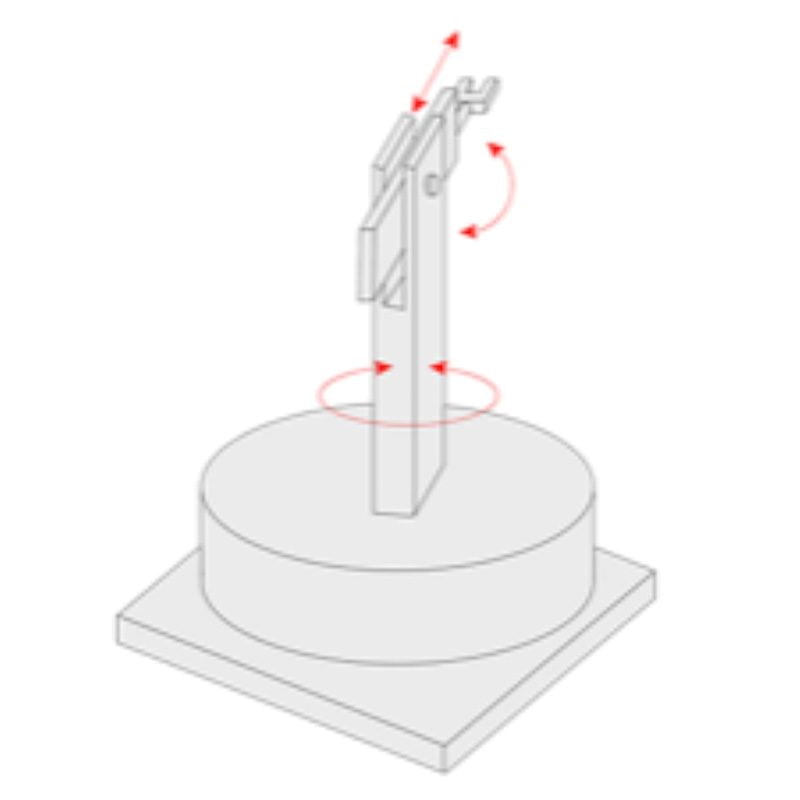
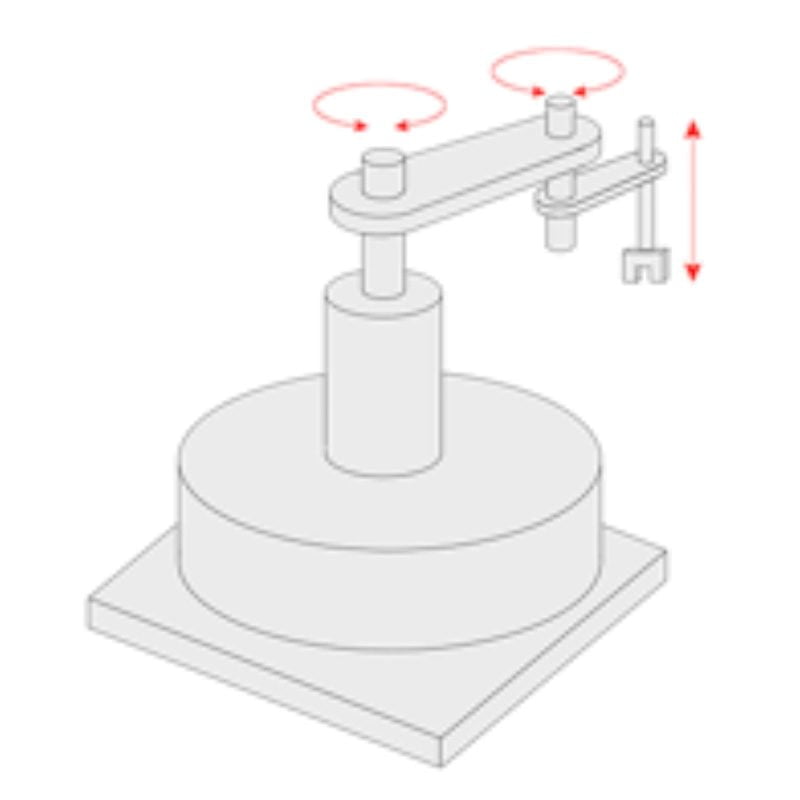
Industrial robots can generally be classified into 6 main types.
They are fast and powerful, ordinary industrial robots are always installed away from people and protective fences.On the other hand, collaborative robots, a new hit in the world, attract attention by the fact that they can work together with workers.They can manage in a small space, do not require large protective fences, which allows application in a variety of facilities with less specialized equipment.For example, a two-stage SCARA collaborative robot occupies the same space as a single worker.Using two "hands", the robot can assemble the box, washes dishes or packaging cosmetic products in the same way as a person does.We have already developed and will soon see demonstrations of robotic systems for automatic waste sorting in recycling shops.
Another new addition to the world of robotics is remote collaboration systems, which allow you to remotely control multiple robots that are installed far away from the operator. This innovation opens up the possibility of using robots for tasks that require a human feel, which was considered difficult in the past. One of the big advantages of this solution is that robots can be directly trained in precise movements without programming. This means that they can be used as a tool for transferring skills, since the skills of an expert employee can be transferred to robots and later these robots can train new employees. The solution also supports the multiple control function, where a single operator can control multiple robots simultaneously. Manage many factories around the world from one location using a high-speed internet connection will present the industry as an opportunity, at any time. The system is the perfect solution for the upcoming era of smart factories