About us

Robotics Provision EOOD

More intelligent

Our solutions utilize artificial intelligence to automate complex processes and enhance efficiency. Intelligent algorithms analyze, learn, and adapt to deliver improved results with less effort.

More secure

Security is at the core of everything we do. Our systems ensure safe operation for both individuals and the environment – thanks to advanced sensors, predictive analytics, and automatic protection.

Easier

We develop technologies that everyone can use with ease. From quick installation to an intuitive interface and 24/7 support – everything is designed to save you time and reduce stress.

To stay updated on Central and Western Europe, we offer you a brief story and insights.

Furthermore, by leveraging online platforms, investors and their engineers gather a wealth of data for ongoing training and enhancing the effectiveness of their individual remote solutions, along with comprehensive information about machine processing development. Naturally, this performance data is also invaluable for training other robots and for the advancement of robotics as a whole.

Scanners can be categorized into two primary groups - industrial and non-industrial robots. Industrial applications are predominantly utilized in industry, logistics, agriculture, and animal husbandry. Non-branded robotic solutions have found applications in sectors such as security, medicine, healthcare, and space technology. For instance, the Pepper humanoid robot and various cleaning robots fall under the non-industrial robot category.

Industrial robots: the ultimate automation solutions

With the development of industrial enterprises in the 20th century, the need for automation grew, and industrial robots began to attract increasing attention as a solution to address labor shortages and meet investors' desire for rapidly improving labor productivity. Naturally, being multifunctional and flexible, robots provide the advantage of easy installation in production sites where deploying specialized machines is not feasible or where comprehensive updates of production lines are challenging or unprofitable.

Furthermore, by collaborating with a specialized Systems Integrator (SI) during the implementation of robotic systems, investors can confidently navigate all stages—from planning and budgeting to testing, installation, personnel training, and maintenance over the years.

In 2021, one of the largest manufacturers in the world launched a platform that enables industrialists to easily find compatible peripherals to create the desired system. Implementing a robot necessitates connecting to peripheral equipment, such as grippers, a wide range of sensors, and machine vision. This platform now allows for pre-checking and certifying any complete solution in advance, even before making the investment. This results in a significant reduction in the cost of verifying the required set of equipment for the overall implementation.
0 +

Success Projects

0 +

Expert Team

0 +

Satisfied Clients

0 +

Victory Awards

What is an industrial robot?

The first industrial robot in the world was created and introduced in the United States in 1962. The concept of "a robot that can flexibly respond to automation through learning and reproduction" was presented by American engineer George Charles Devol Jr. Joseph Frederick Engelberger, an entrepreneur, is recognized as the "father of robotics," and he successfully developed the first industrial robot, named "Unimate" - "a colleague with universal abilities".

Japan was the first country to embrace and become a major force in robotics and automation. In the latter half of the 20th century, the development of industrial robots for Japanese industries accelerated, particularly in the automotive sector. This also reflects the achievements of Japanese manufacturers, who attained a high level of expertise in electrical equipment and precision machinery. Consequently, Japan emerged as the world's leading robotics power.

During the trend of motorization in Japan, the automotive industry had particularly significant demands. For the first time, the welding process, which is regarded as heavy, dirty, and hazardous work, was fully automated using robots.

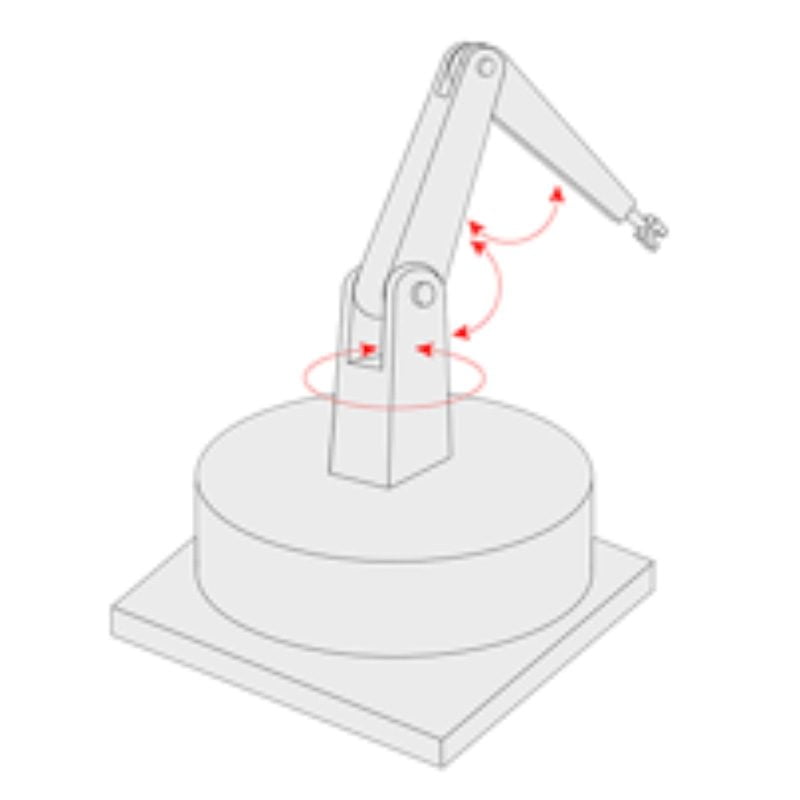
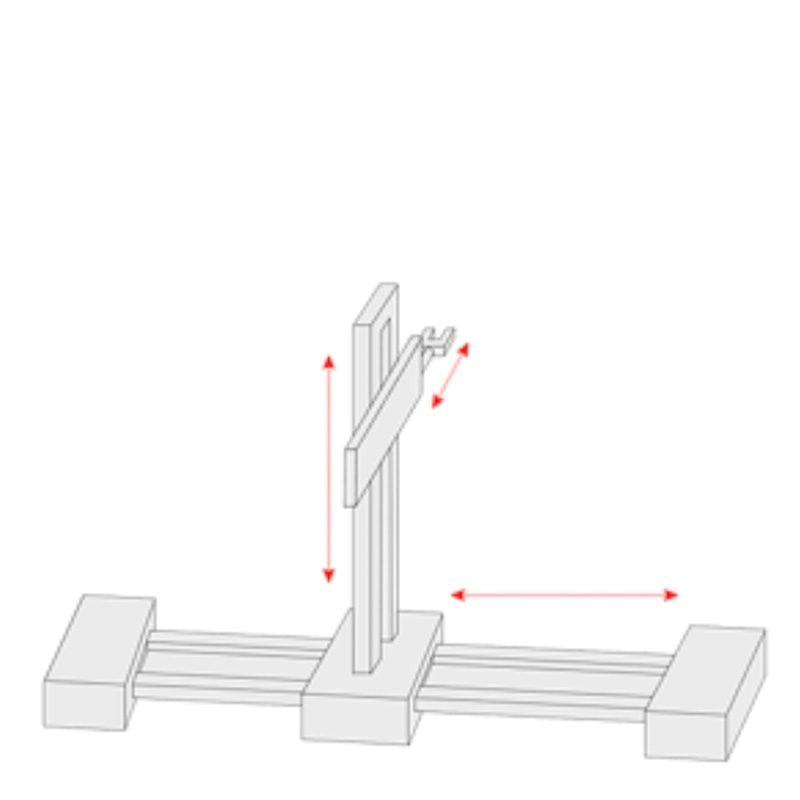
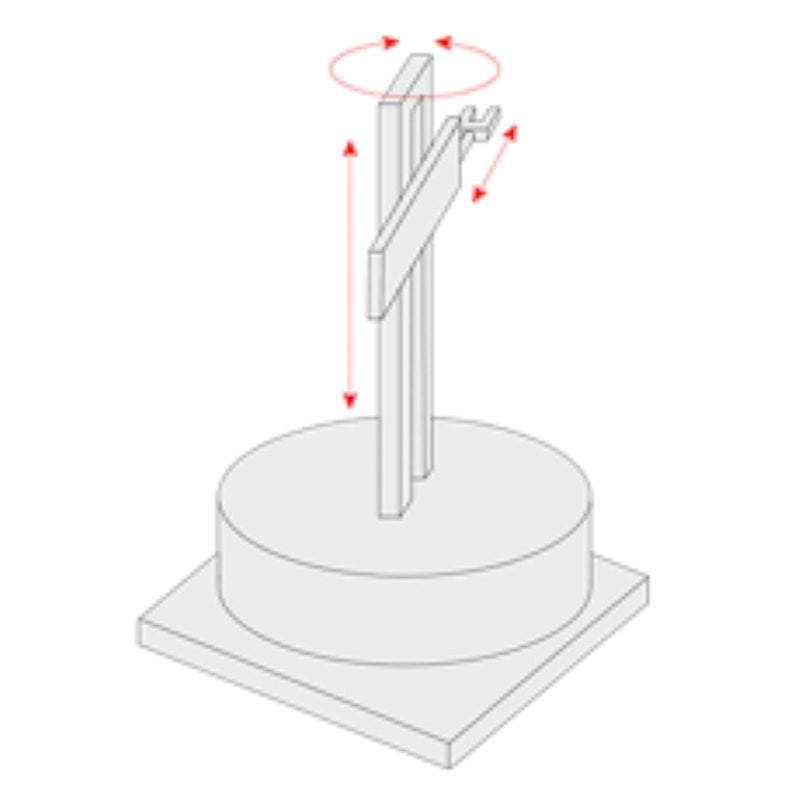
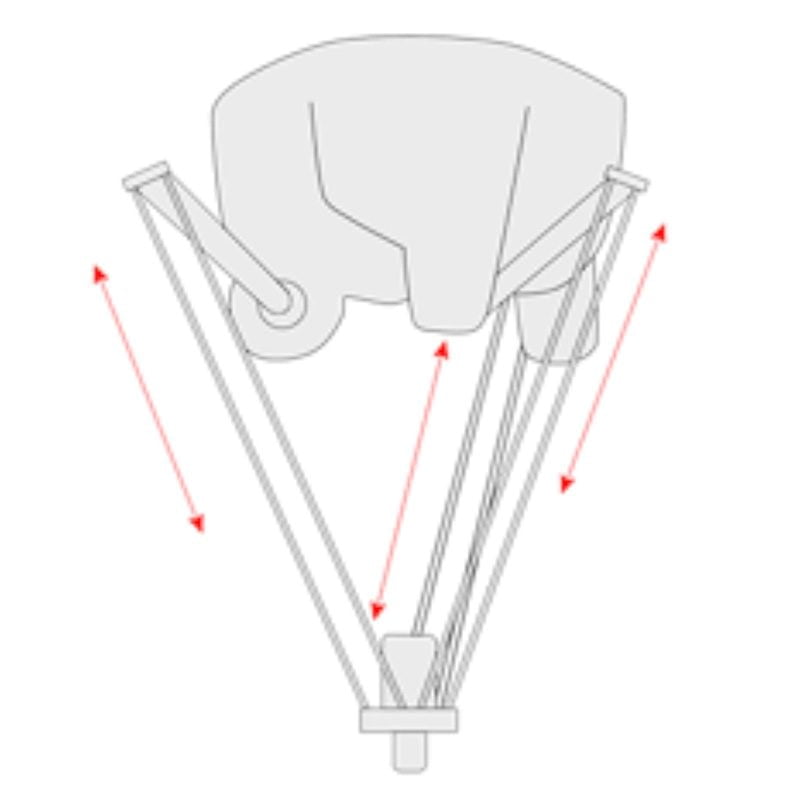
Industrial robots can generally be classified into 6 main types.

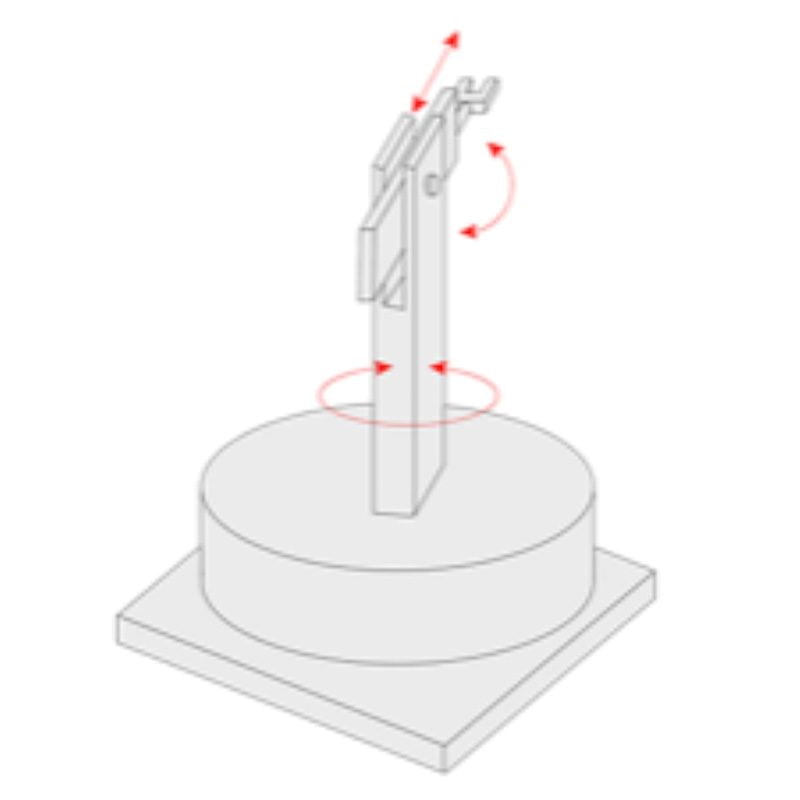
  • The first type is a robot that uses polar coordinates. This type was widely utilized in the early days of robotics. It features a central rotating shaft, resembling an eye-catching dome, and a shoulder extension that moves up and down.
  • The second type is a cylindrical robot, equipped with a rotating shaft and a sliding arm that moves vertically.
  • The third type operates with a Cartesian coordinate system and makes movements in three dimensions, not by rotation, but by sliding along three perpendicular axes (length – width – height). This solution requires a large installation area, but the mechanism is quite simple and user-friendly.
  • The fourth type is a robot, which is extensively used in modern times, known as a vertically articulated robot. It consists of a multi-jointed shoulder (like a human arm) and a rotating shaft, and is employed in various applications such as welding, palletizing, and assembly.
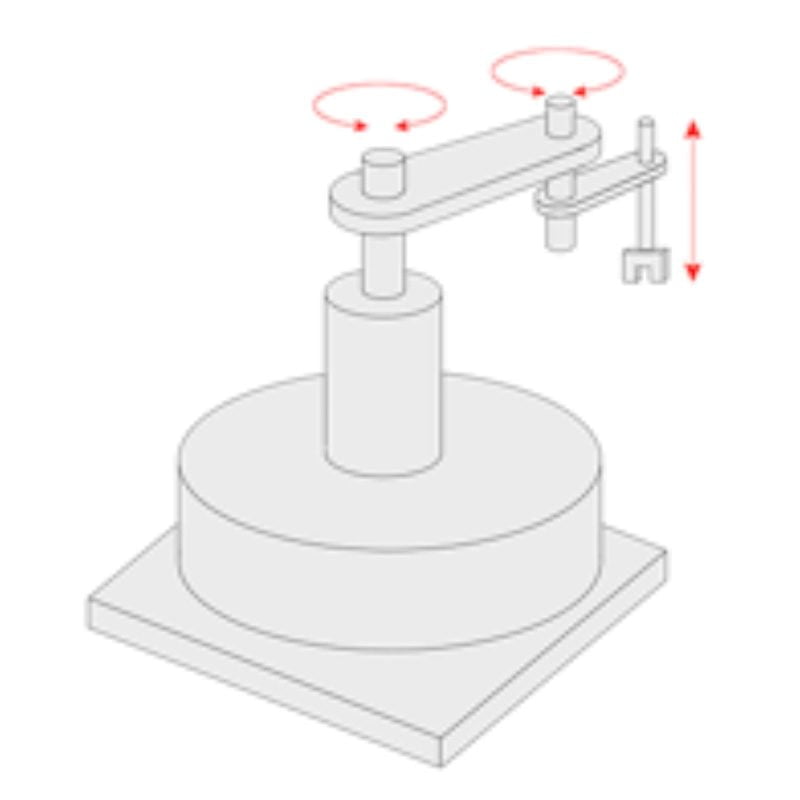
  • The fifth type features robots with a selective arm for assembly tasks (SCARA), consisting of a horizontally rotating shaft and a vertical linear shaft. The design is very convenient for performing tasks on a fixed-height surface.
  • The sixth and most recent type of robot operates with parallel communication. It has high performance and controls several hinges arranged in parallel, enabling a complex of high-speed and precise movements.


Industrial Robots and Industry 4.0

They are fast and powerful; traditional industrial robots are often installed away from people and protected by fences. In contrast, collaborative robots, a new sensation in the industry, stand out for their ability to work alongside human workers. They can operate in confined spaces and do not require extensive safety barriers, allowing for application in various facilities with less specialized equipment. For instance, a two-arm SCARA collaborative robot occupies the same space as a single worker. With its two "arms," the robot can assemble boxes, wash dishes, or package cosmetic products in the same manner as a human does. We have already developed and will soon present demonstrations of robotic systems for automatic waste sorting in recycling facilities.

Another recent advancement in robotics is remote collaboration systems, which enable operators to control multiple robots situated far from them. This innovation allows robots to perform tasks requiring a human touch, which was deemed challenging in the past. A significant advantage of this solution is that robots can be trained in precise movements without programming. This means they can serve as a means of skill transfer, allowing an expert employee's skills to be imparted to robots, which can subsequently train new employees. Additionally, the system supports multiple control functions, enabling a single operator to manage several robots simultaneously. The ability to oversee numerous factories worldwide from a single location using a high-speed internet connection presents an unprecedented opportunity for the industry. This system is the ideal solution for the upcoming era of smart factories.